Character Name and Traits Generator
Generate character names in worldwide, US birth-decade, fantasy, sci-fi and historical styles, with optional traits, shared surnames and a family tree.
Starman Story Lab is a free, independent writing workshop: story generators that run in your browser, and practical guides to craft, character, worldbuilding and science fiction for young writers, adult writers and the teachers who help them.
Generators for names, characters, plots, prompts and worlds. Lock the parts you like, roll the rest, and copy the result into your notebook. Nothing you choose leaves your browser.
Generate character names in worldwide, US birth-decade, fantasy, sci-fi and historical styles, with optional traits, shared surnames and a family tree.
Generate a newspaper name, headline, subheadline and opening paragraph, plus a 5 Ws planning list, for class newspapers and news-writing practice.
Generate mystery book titles in cozy, classic, thriller and young-sleuth styles, with optional chapter titles that follow a clue-by-clue story arc.
Generate space adventure book titles in classic series, space opera and young-reader styles, with a one-line blurb and optional chapter titles.
Name treasures, relics and artifacts for fantasy, science-fiction and seafaring stories, each with a one-line history of who made it and where it is now.
Build a coherent character sheet with an age-appropriate role, home, family, a formative moment, compatible traits, a goal, a flaw, a secret and a story hook.
Generate a believable character personality with three compatible traits, everyday habits, a strength, a flaw, wants, needs, fears and a writing tip.
Generate a complete story idea in your chosen genre, with a working title, hero, setting, inciting incident, goal, obstacle, twist, theme and pitch.
Get a writing prompt matched to your age band and the skill you want to practice, with a challenge, a skill tip, a word bank and a stretch goal.
Generate a science-fiction world or habitat with star, gravity, day length, air, landscape, life, society, technology, customs and conflict hooks.
Generate a plot with beat-by-beat prompts in three-act, journey-and-return, kishotenketsu or mystery clue structure, built from your story's elements.
Get an original opening line plus a situation, a character, a setting, a question to answer next and a newspaper headline to get your story moving.
Eight topics, from the first sentence of a story to teaching a class to write one.
Practical craft guides for fiction writers of every age, from first drafts and point of view to revision, dialogue and finding time to write.
How stories work: structure, pacing, tension, theme and the oldest patterns of oral and written storytelling, explained with clear examples.
Build characters readers believe in: motivation, flaws, backstory, voice, relationships and change across a story, with exercises to try.
Writing and reading science fiction: subgenres, plausible science, technology, space settings and the questions that make the genre matter.
Design believable settings for fiction: geography, cultures, history, technology and magic systems, built in the right amount of detail.
Curated, original writing prompts and exercises by theme, genre and age, with notes on how to use them in a notebook or a classroom.
How reading and writing support each other, with evidence-based guidance on reading aloud, comprehension, vocabulary and reluctant readers.
Classroom-ready ideas for teaching creative writing and storytelling, from lesson structures and rubrics to using generators with students.
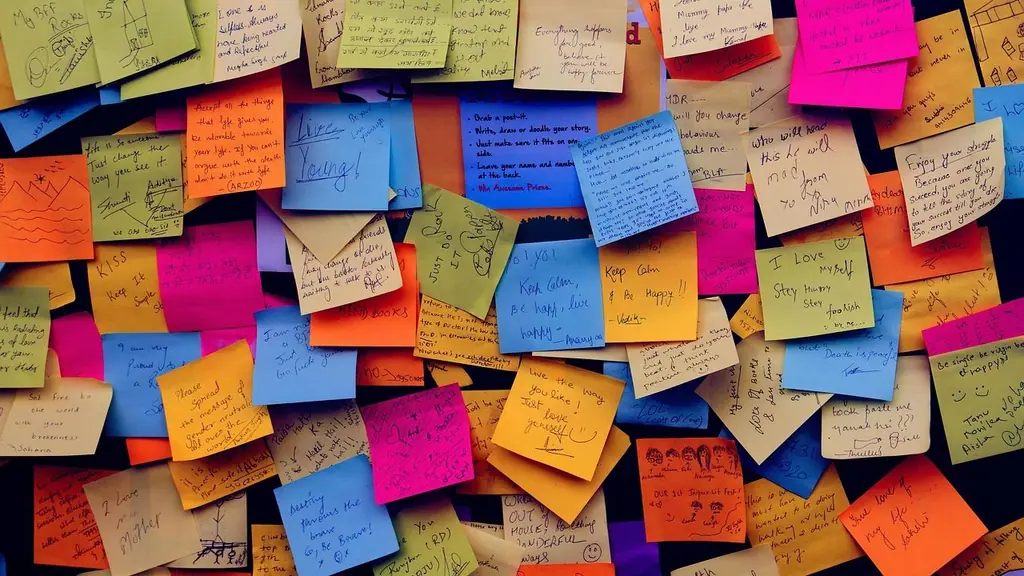
Creative Writing
Plan a book series that stays consistent: build a story bible, track characters and timelines, choose outlining or discovery, and split roles in a writing team.
Science Fiction
What space adventures get right and wrong about terraforming Mars, crossing the asteroid belt and Europa’s hidden ocean, and how writers can use real science.
Reading and Literacy
What research says about the reading-writing connection, explained for parents and teachers, with practical read-like-a-writer routines for home and class.
Reading and Literacy
Six research-backed comprehension strategies (predicting, questioning, visualizing, monitoring, inferring, retelling), each with a parent and teacher version.
Writing Prompts
Eighty reflective journal prompts for kids aged 5 to 14+, grouped by age, with themes of gratitude and curiosity, privacy tips and ways to build a habit.
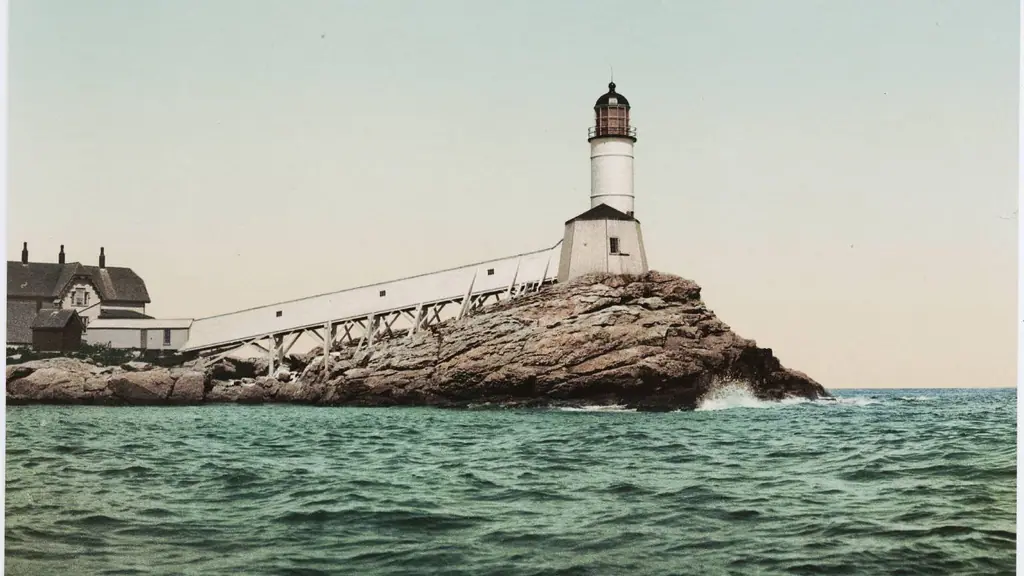
Writing Prompts
A practical method for turning free-to-use photos from the Library of Congress, NASA and the Smithsonian into writing prompts, with question frames by age.
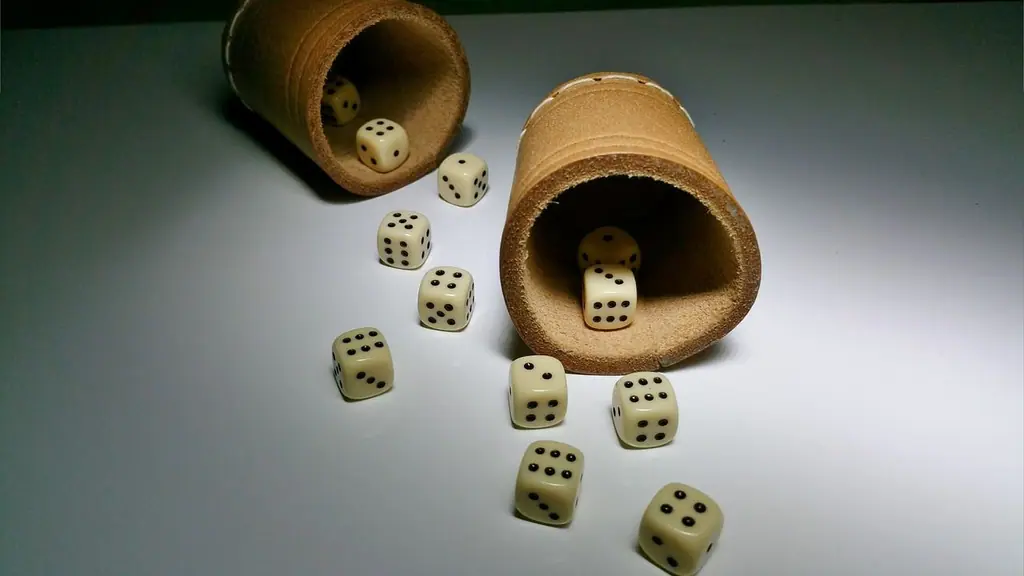
Storytelling
Fifteen no-cost storytelling games, from story chains to homemade story dice, with age ranges, group sizes and tips for running them at home or in class.
Worldbuilding
Make places feel real without stalling the plot: choose telling details, use all five senses, and weave description into action. With original examples.
Character Development
Build a believable villain with a motive ladder, active methods and menace pitched for young readers, teens or adults, plus 40 original villain ideas to adapt.

Creative Writing
How to punctuate dialogue in US style, when to use “said” and when to use a beat, how to paragraph speech, and how to write subtext, voice and dialect well.

Creative Writing
What “show, don’t tell” really means, with original before-and-after examples, three tools for showing, and the times when telling is the better choice.
Before this publication, the address belonged to an independently published science-fiction novel series for young readers, which later also offered a few writing generators. Our archive records what public sources show about that site. We are not affiliated with the Starman series, its authors or its publishers, and no text from the novels is reproduced.